

Timber Windows
Sliding Sash Windows
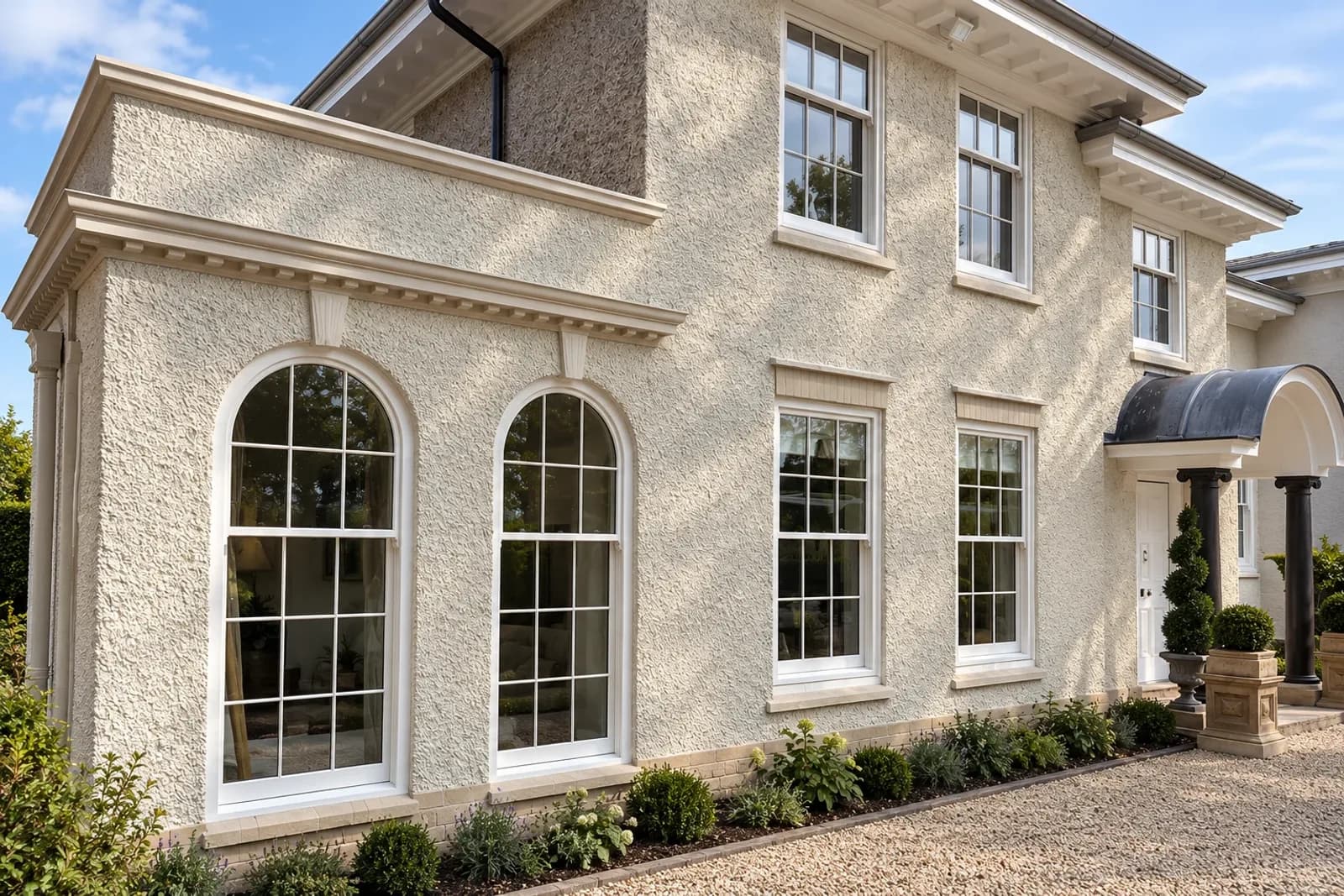
The sliding sash is the defining window of the Georgian and Victorian house, and the one most often replaced badly. Made correctly it runs on weights, holds a slim sightline, and lasts for generations.
Box-sash construction
A traditional sliding sash is a counterbalanced window: two sashes that slide vertically in a boxed frame, hung on cords or chains over weights concealed in the box. The details that make it read correctly are the slim glazing bars, the meeting-rail depth, the sash horns, and the sightline — the proportions by which a period window is recognised. Spiral spring balances are available where a box is not wanted, but on a period or listed property the traditional weighted box sash is usually the correct specification, matched to what survives on the building.
Performance without losing the window
A well-made sash can be brought to modern comfort without abandoning its appearance. Concealed draught-sealing addresses the air leakage that is the real problem in an old sash; slim-profile double-glazed units can be glazed into the sashes in a correct moulded bar where consent allows; and the running gear is overhauled so the window works as it should. On a listed building the glazing and detailing are specified to satisfy consent and matched to the elevation.
- Suits
- Georgian · Victorian · Edwardian · listed & heritage properties
- Construction
- Counterbalanced box sash on cords/chains & weights
- Period detail
- Slim glazing bars · meeting-rail depth · sash horns · sightline
- Balance
- Traditional weights, or spiral balances where a box is not wanted
- Performance
- Concealed draught-sealing · slim-profile DG where consent allows
Common Questions
How does a sliding sash window work?
Two sashes slide vertically in a boxed frame, counterbalanced by weights hung on cords or chains and concealed inside the box, so each sash stays where it is left.
Can sash windows be double-glazed?
Slim-profile double-glazed units can be glazed into the sashes in a correct moulded bar, holding a near-historic sightline, where the grade, elevation, and conservation officer allow it.
Can old sash windows be made draught-free?
Yes. The main problem in an old sash is air leakage, solved by concealed draught-sealing, which can be fitted without changing how the window looks.
What makes a replacement sash window period-correct?
Matching the sections, glazing-bar width and profile, meeting-rail depth, sash horns, and sightline to the original, so the window is indistinguishable from a well-made period example.
Selected Projects
Where sliding sash windows formed part of the commission — each linked to the full project.
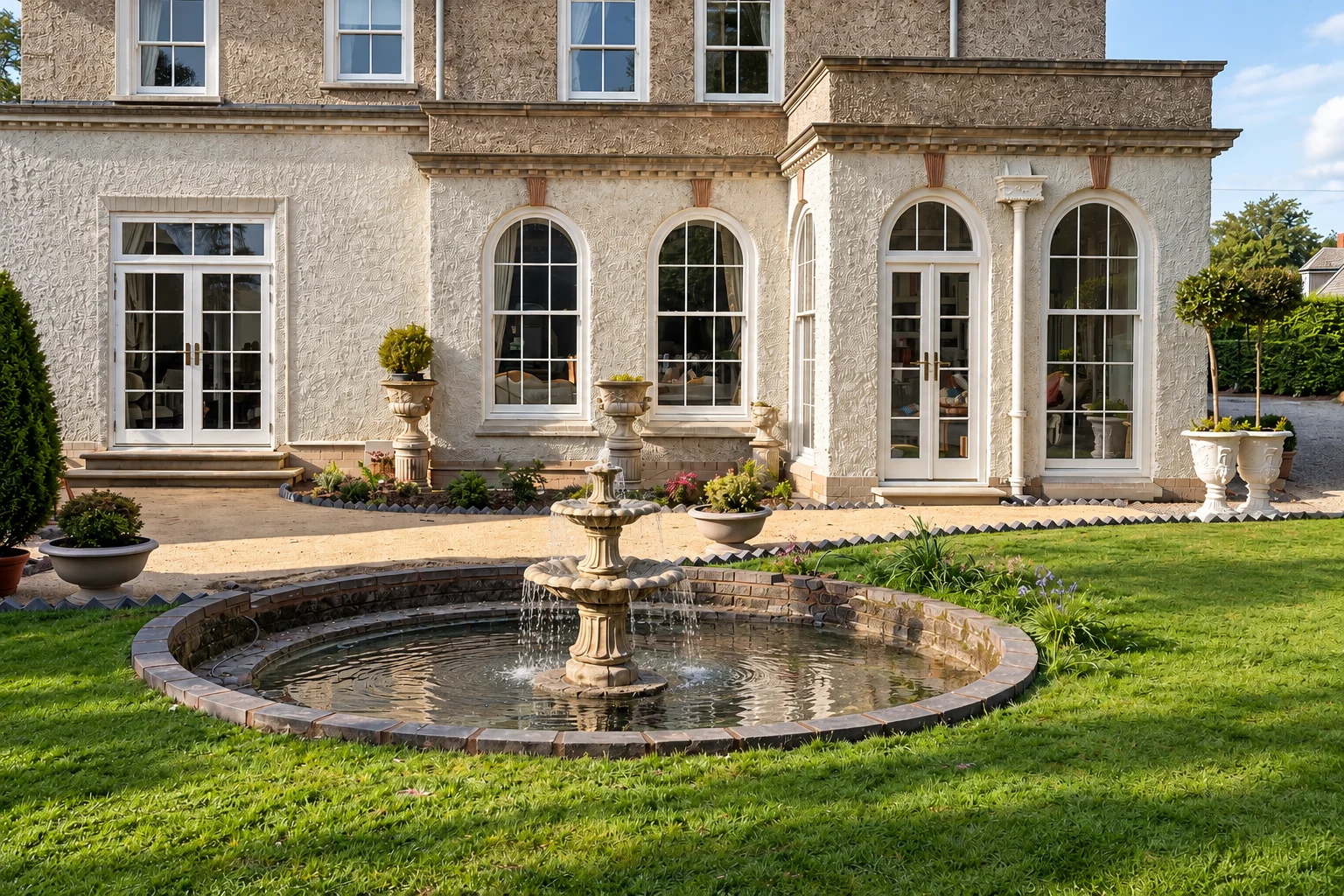 WORCESTERSHIRE
Arched-Top Sash Windows & French Doors
Accoya sliding sashes drawn to the pattern already on the house, including arched-head sashes to the principal rooms — the head got out on the radius and the bars set to radiate, so each meets the curve square and the sash still runs. Sections kept fine and the bars given the depth to hold a shadow, which is what the eye reads as a period window long before it reads timber.
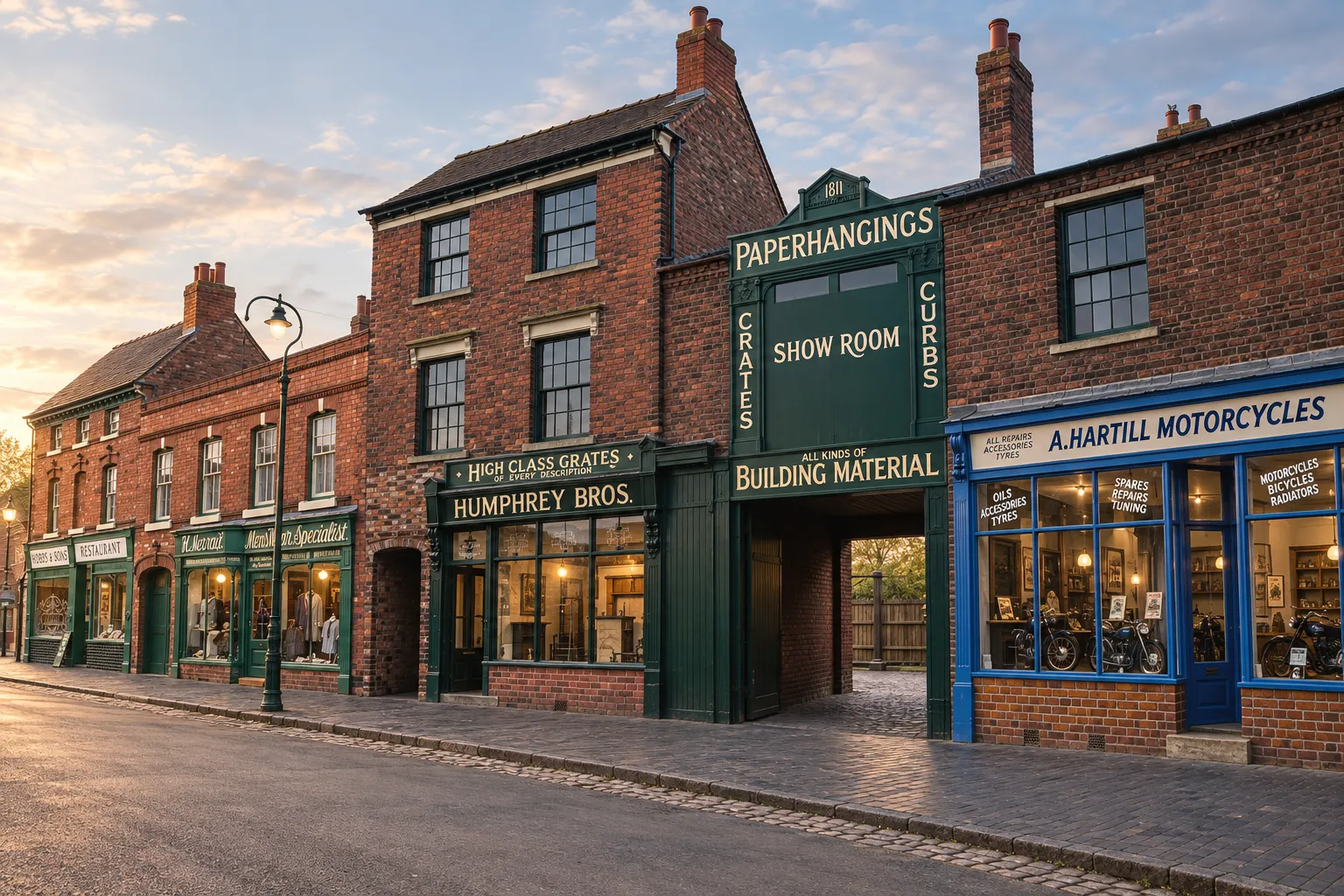 WEST MIDLANDS
Black Country Living Museum
Painted sash windows above the shops, restored or made new to the original glazing-bar pattern so that each elevation reads as one set.
Considering sliding sash windows for a period or rural property? The conversation starts here.
Start a Project →