

Bespoke Timber Doors
Period Doors
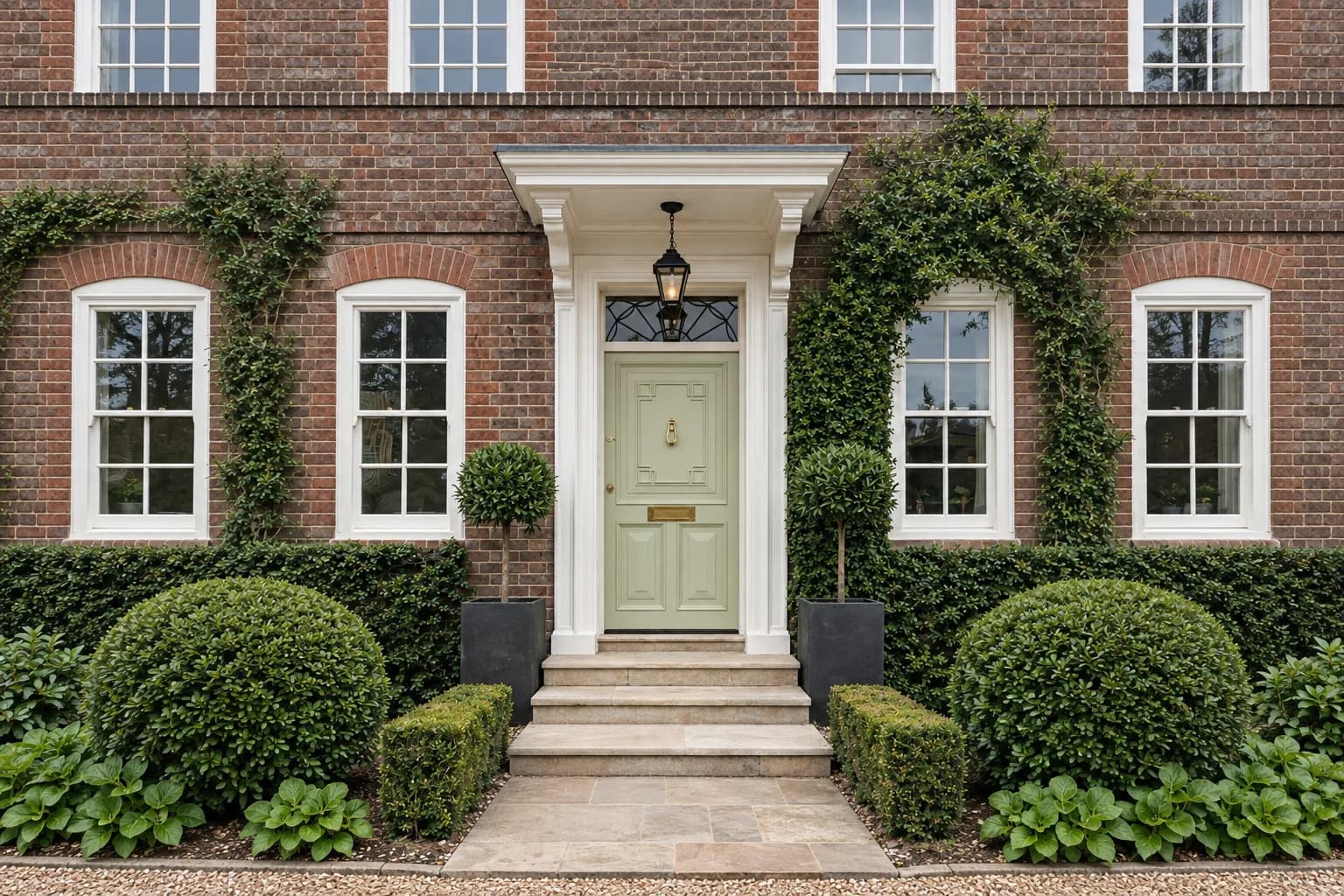
A period front door is read first as proportion and panel layout — and a Georgian door is not a Victorian one. Getting it right means matching the door to the age and architecture of the house, not fitting a standard to the opening.
The door belongs to the period
Panel configuration is the clearest period signal. A Georgian door typically carries six raised-and-fielded panels in tall, ordered proportions; a Victorian door commonly four panels, often with the two upper panels glazed; an Edwardian door tends towards fewer, broader panels and more glass. The stile and rail widths, the panel mouldings — ovolo, ogee, bead-and-butt — and the overall proportions are set by the period, and a door that mixes them reads as a reproduction. The starting point is always the age and architecture of the property.
Specification and detail
Period doors are made from stable, slow-grown softwood or a hardwood appropriate to the property, and finished to suit it. Glazing, where the door carries it, follows the period — etched, stained, or patterned glass on a Victorian door; clear or fanlight glazing on a Georgian one. Ironmongery is specified to the age: rim locks, period escutcheons, knockers, and letterplates that belong to the door rather than to a catalogue. On a listed building the door is specified to satisfy consent — matched to surviving examples, or drawn from the period and the elevation.
Coloured and leaded glass
On a Victorian or Edwardian door the glass is rarely incidental. Coloured and leaded lights in the upper panels, and in the fanlight or sidelights around the door, are characteristic of the period rather than a flourish added to it — and where the original glass survives it is usually the most valuable thing about the door. The first question on any replacement is therefore whether the existing glass can be retained and reset into a new leaf, which is very often possible even where the timber around it has failed completely.
Where glass has been lost, it is drawn from the period and the elevation rather than chosen from a pattern book: the came profile and lead width, the palette, the proportion of coloured to clear, and whether the design is geometric, floral, or a plain margin light. Etched, obscured and reeded glass belong to the same vocabulary and suit the doors and side panels where privacy matters. On a listed building the glass is protected fabric in its own right, so replacing it is a consent question before it is a specification one.
The door set, not the door alone
On most period entrances the door is one part of a composition. Sidelights, a fanlight or rectangular transom, the frame and the surround were designed together, and the proportions only resolve when they are specified together. Replacing the leaf alone into an original frame that has moved, or matching a new door to sidelights whose glazing pattern no longer relates to it, is the most common way an otherwise well-made door reads wrong on the elevation.
The opening is the fixed dimension. The set is drawn to it — panel layout to the period of the house, glazing pattern carried consistently across leaf, sidelight and fanlight, and ironmongery specified to the age rather than to a catalogue. Specified as one set, an entrance carries the weight the elevation was built for; assembled as separate purchases, it rarely does.
- Suits
- Georgian · Victorian · Edwardian period properties
- Period signal
- Panel count & proportion (6-panel Georgian · 4-panel Victorian)
- Mouldings
- Ovolo · ogee · bead-and-butt — to the period
- Glazing
- Clear / fanlight (Georgian) · etched, stained & leaded (Victorian & Edwardian)
- Original glass
- Retained and reset into the new leaf wherever it survives
- Door set
- Leaf, sidelights, fanlight & frame drawn as one composition
- Ironmongery
- Rim locks, period knockers & letterplates, to the building
- Pricing
- From the drawing, not a list price
Common Questions
What makes a door period-correct?
The panel configuration, proportions, and mouldings matched to the age of the property — six-panel Georgian, four-panel Victorian, broader Edwardian — in the right timber and with period ironmongery, rather than a standard door fitted to the opening.
Can the original stained or leaded glass be kept in a new door?
Usually, yes — and it is the first thing to establish. Original coloured and leaded lights can very often be retained and reset into a new leaf even where the timber around them has failed completely. Where the glass survives it is normally the most valuable part of the door, so it is worth designing the new work around it rather than replacing it.
What is a period door set?
The door together with the elements it was designed with — sidelights, a fanlight or rectangular transom, the frame and the surround. On a period entrance these were composed as one, and their proportions only resolve when they are specified as one. Replacing the leaf alone into an original frame is the most common reason a new door reads wrong on the elevation.
Does a Victorian door have to have coloured glass?
No. Coloured and leaded glass is characteristic of Victorian and Edwardian doors rather than universal, and plenty of period doors are solid or carry clear or etched glass. What matters is that the glazing follows the period and the elevation rather than being added as decoration.
Can a period door be made for a listed building?
Yes. It is specified to satisfy listed building consent, matched to surviving examples on the property or drawn from its period and elevation, with glazing and ironmongery to suit. Note that historic glass is protected fabric in its own right, so replacing it is a consent question of its own.
What timber are period doors made from?
Stable, slow-grown softwood, or a hardwood appropriate to the property, selected for stability and for taking a traditional paint or finish.
Do period doors have to be painted?
Not necessarily. The finish follows the property and the period — painted on most Georgian and Victorian town doors, and sometimes a finished hardwood or oak where the building suits it.
Selected Projects
Where period doors formed part of the commission — each linked to the full project.
 WEST MIDLANDS
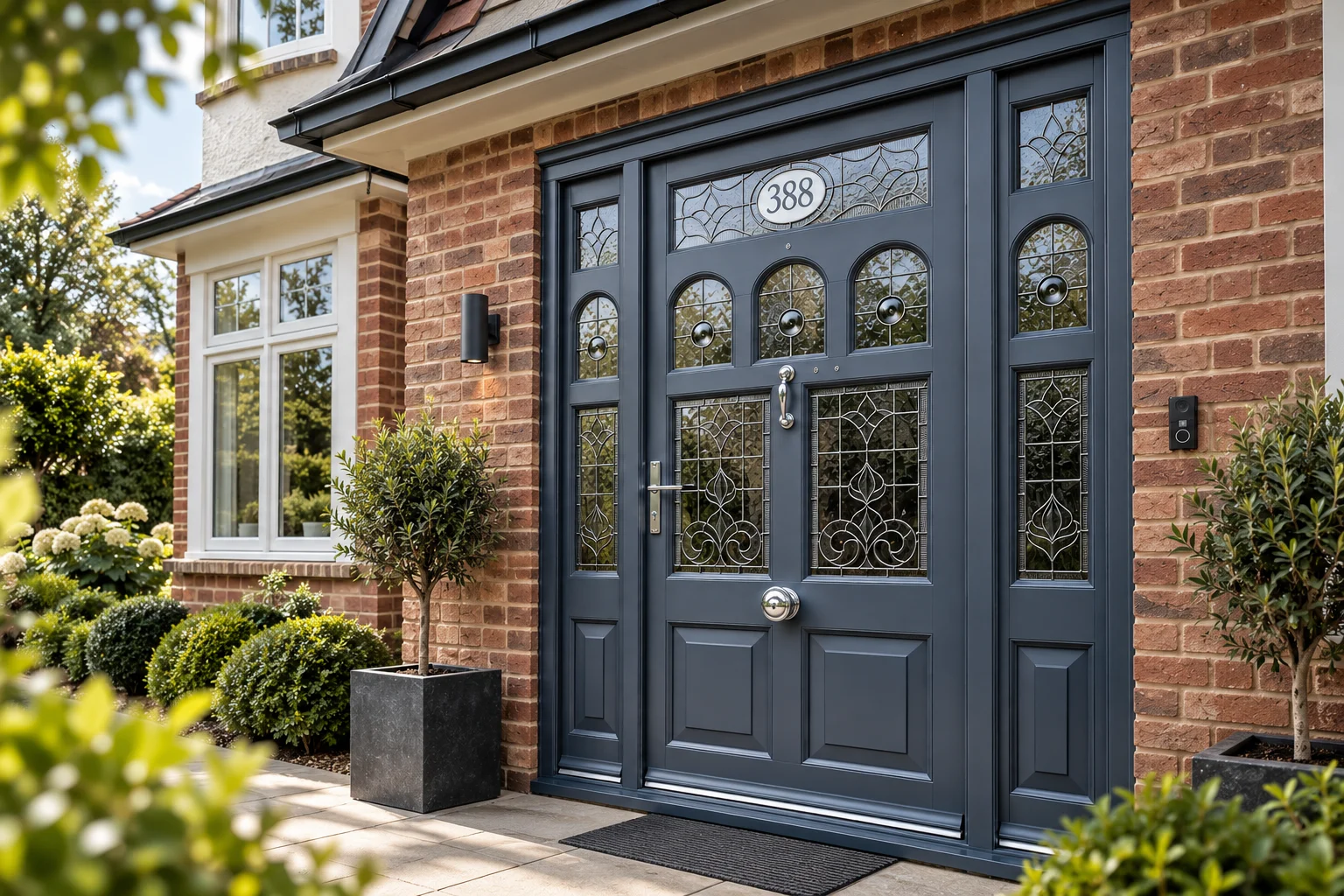
Bespoke Period Entrance Door with Leaded Glazing
A bespoke period entrance door with leaded and bevelled glazing, panel layout and mouldings drawn to the age and proportion of the house rather than fitted from a standard range.
 WEST MIDLANDS
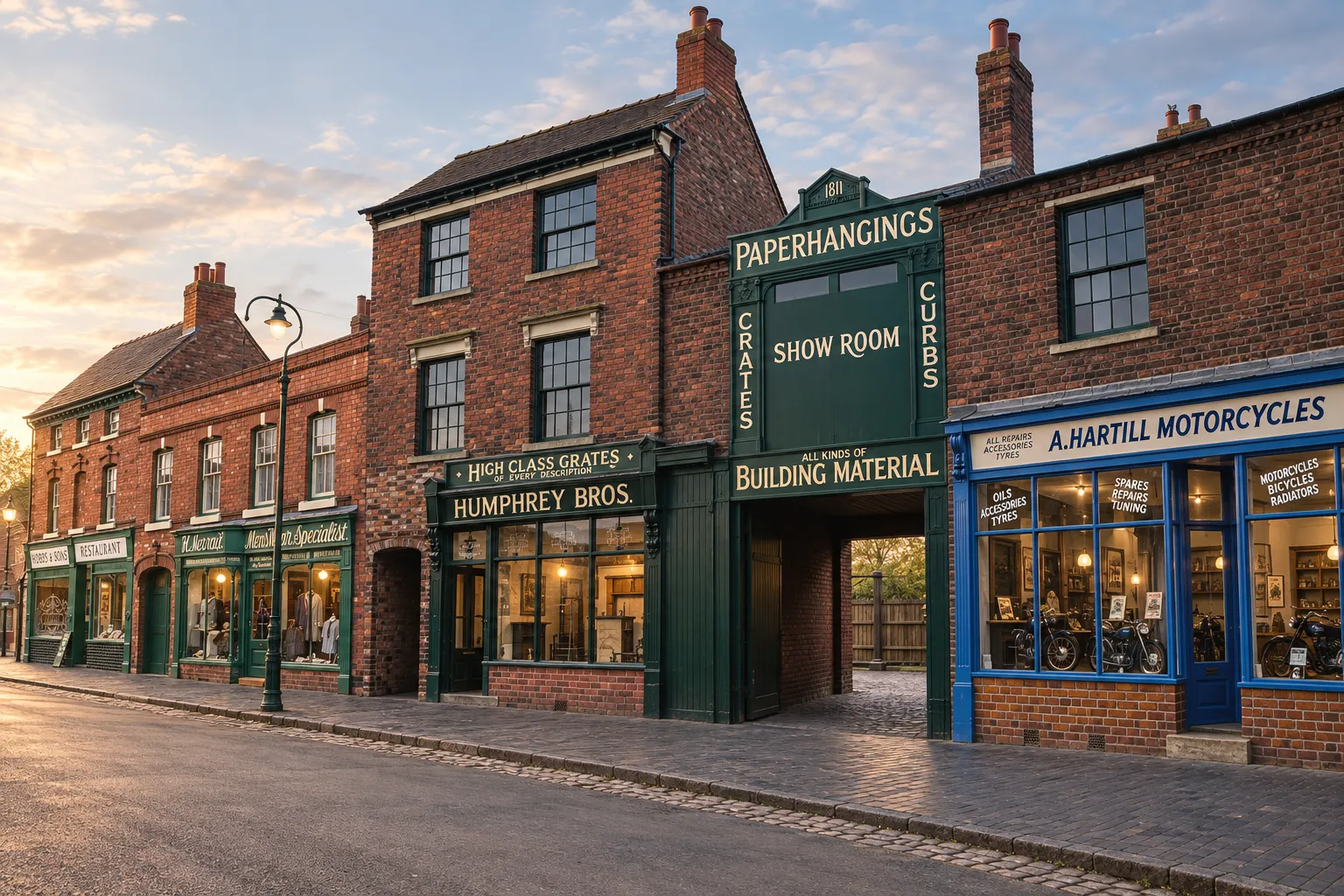
Black Country Living Museum
Glazed shop doors set within the shopfronts, made or restored to match the frontage around them.
 SHROPSHIRE
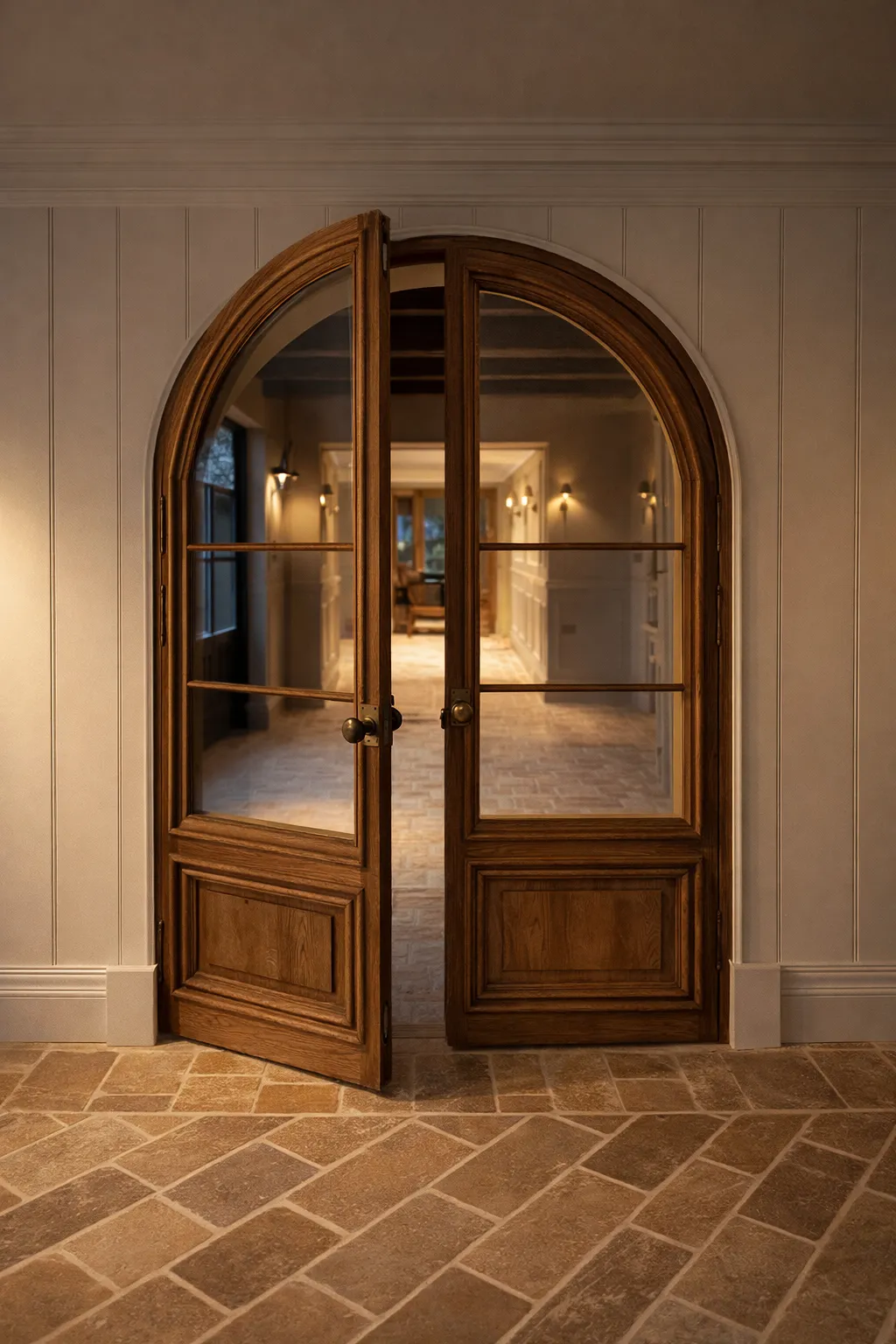
Oak French Doors & Accoya Casement Windows
Half-glazed period doors carrying the same detailing into the quieter rooms, so the house does not change its mind from one threshold to the next.
Considering period doors for a period or rural property? The conversation starts here.
Start a Project →